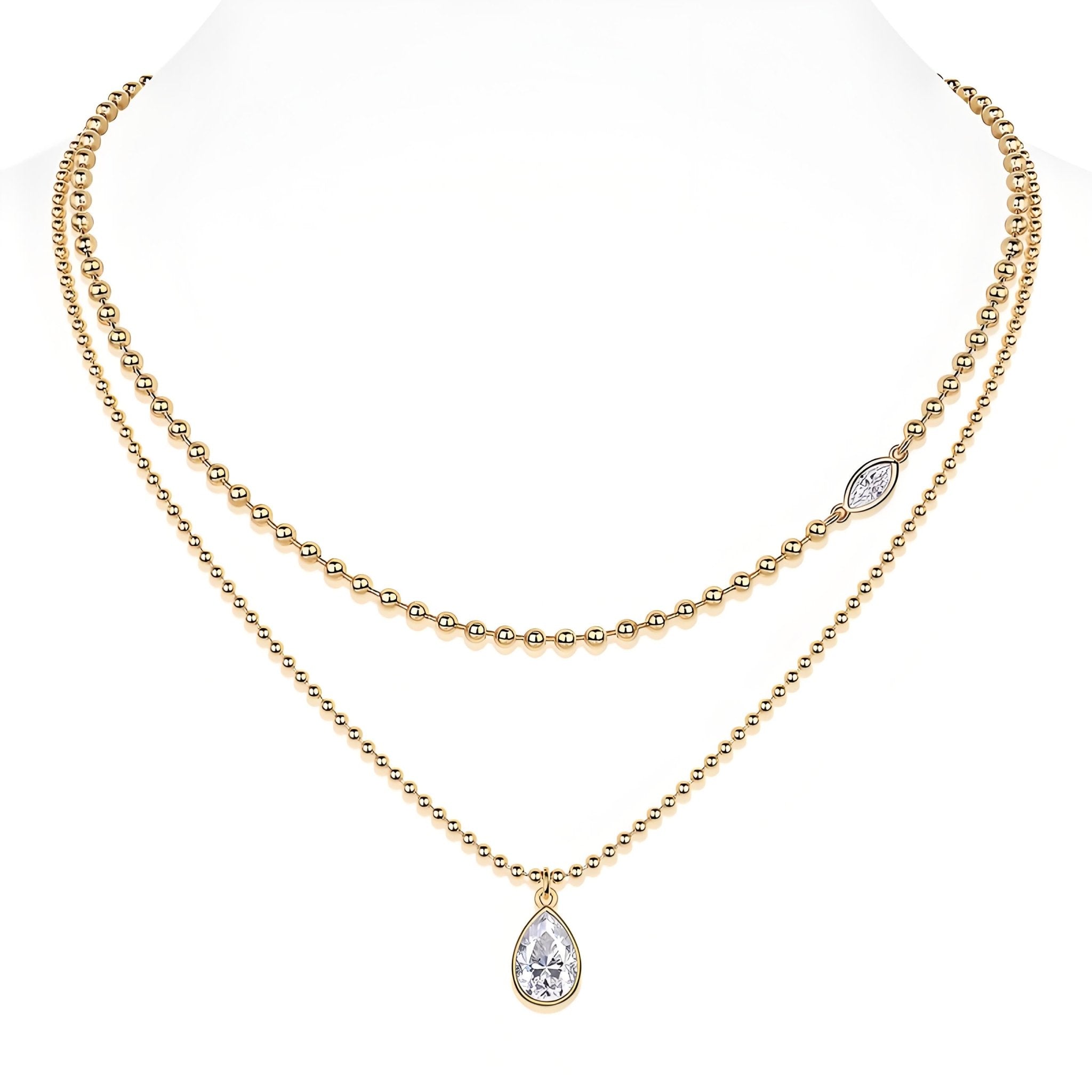
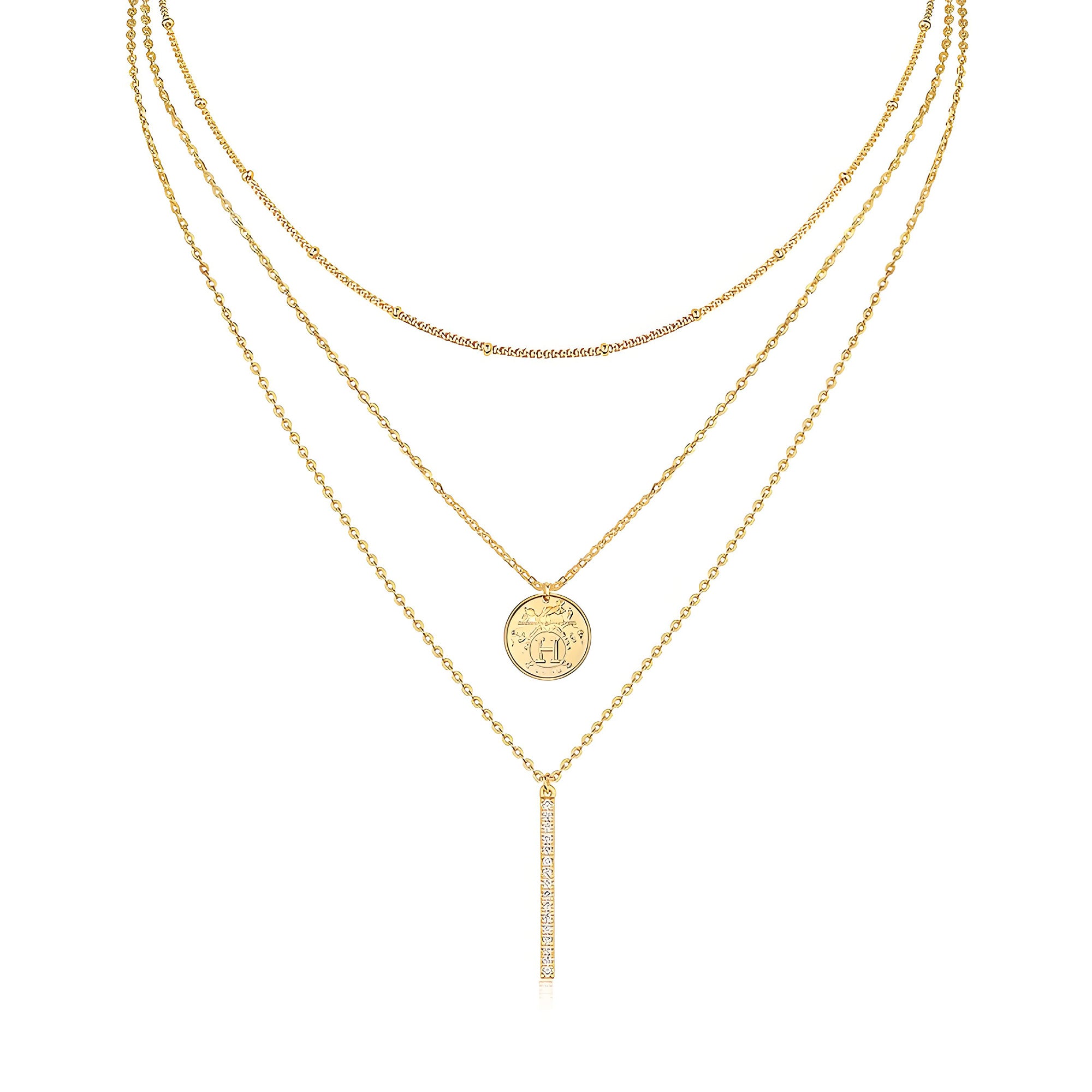

Confused by paperwork? Here is the plain English guide to what GRA means for your jewelry.
You’ve found the ring of your dreams. The sparkle is blinding, the price is unbeatable, and it checks every box.
But then, you read description or open the box, and you see it: GRA Certificate.
If you have done any research on diamonds, you know the big names like GIA. So, seeing GRA might make you pause. Is this a typo? Is it a knock-off? Why isn't it GIA?
Take a deep breath. It is not a scam. In fact, it is the industry standard for your new gemstone.
Here is the honest, insider guide to what that black card actually means, how it compares to GIA and IGI, and why it ensures you are getting a quality stone.
What Exactly is GRA?
Think of GRA certificate as your stone’s ID Card.
GRA, often standing for Global Gemological Research Academy, is standard certification included with vast majority of high-quality Moissanite on the market today.
Since Moissanite is a lab-grown gemstone, it doesn't have the same supply chain as mined diamonds. GRA report is a promise of quality from the manufacturer to you. It verifies three critical things:
-
Identity: It confirms the stone is real Silicon Carbide Moissanite, not glass or Cubic Zirconia, aka CZ.
-
4Cs: It grades the Cut, Color, Clarity, and Carat, ensuring the stone meets specific standards.
-
Warranty: It often includes a unique report number that links your stone to a lifetime warranty against fading or clouding.
Big Showdown on GIA vs. IGI vs. GRA
This is the #1 question we get from smart shoppers: "If this stone is so good, why isn't it certified by GIA?"
To understand this, you have to look at what these organizations actually do.

1. GIA—Diamond Giant
Gemological Institute of America is the Harvard of gem world. They are famous for grading natural, mined diamonds.
-
Why not Moissanite? GIA classifies Moissanite as simulant. While they can issue a report for it, it is rare, expensive, and usually just a basic identification report. They focus on protecting the value of natural diamonds.
2. IGI—Lab Diamond Leader
International Gemological Institute is fantastic for Lab-Grown Diamonds.
-
Why not Moissanite? Cost. Certifying a stone with IGI costs money. One of the best things about Moissanite is its affordability. If we added an expensive IGI certificate to every stone, the price of your $100-$300 ring would double or triple without making the stone any shinier!
3. GRA—Moissanite Specialist
This is where GRA wins. It provides a detailed grading structure using the same D Color and VVS1 terms you know but at a price point that keeps your jewelry affordable.
Honest Truth: Is GRA Legit?
Let’s be real—if you browse Reddit, you will see debates about GRA.
Here is the truth: GRA is not a single, centralized building like GIA headquarters. It is a decentralized standard used by manufacturers to guarantee quality.
Does that mean it’s fake? No.
Does it mean you should trust the stone more than the paper? Yes.
GRA card is your assurance that you aren't buying a cheap piece of glass. It is a guarantee that the stone has passed Premium Tier checklist:
-
Color: It is Colorless (D-E-F range), not yellow.
-
Clarity: It is VVS1 (Very Very Slightly Included), meaning no visible spots.
-
Cut: It is cut Excellent (often Hearts & Arrows) for maximum fire.
How to Check Your Moissanite—Forget the Paper
At the end of the day, you aren't wearing certificate on your finger—you're wearing the sparkle!
Whether you have a GRA card or not, here is how you can verify you have a high-quality Moissanite right at home:
-
Fog Test: Breathe on the stone like you are cleaning glasses. The fog should disappear instantly. If it stays foggy for a few seconds, it might be CZ/glass.
-
Rainbow Test: Take it into the sunlight or under a spotlight. Moissanite is famous for its fire. It should throw colorful rainbow flashes like reds, blues, greens, not just white light.
-
👀Eye Test: Look closely. Is it clear? A GRA-standard stone should be Eye Clean, meaning you see no black spots or cracks.
Last but not least
Don't let Alphabet Soup of acronyms stress you out.
-
GIA is for expensive mined diamonds.
-
IGI is for lab diamonds.

If your ring comes with a GRA card, it means you’ve made a smart choice. You have secured a stone with top-tier specs (Colorless, VVS Clarity) without paying the inflated Diamond Tax.
Ready to find a ring that passes every test?
Explore La Pretti collection of GRA-Certified Moissanite Engagement Rings and see the difference for yourself.

